Moisture is one of the biggest threats to sensitive laboratory materials, precision electronics, pharmaceutical products, and research samples. Even small changes in humidity can reduce product quality, trigger corrosion, affect chemical stability, or compromise experimental results. If you work in a laboratory, manufacturing facility, or research environment, you need a reliable way to maintain low-humidity storage conditions. That is exactly where a desiccator cabinet becomes essential.
Instead of relying on temporary moisture-control methods, you can create a stable environment that protects valuable materials for the long term. Understanding how a desiccator cabinet works will help you choose the right storage solution and improve the overall efficiency of your operations.
How Does a Desiccator Cabinet Control Moisture?
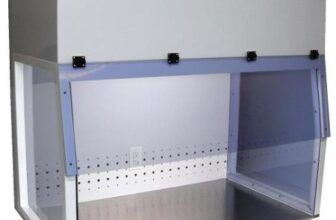
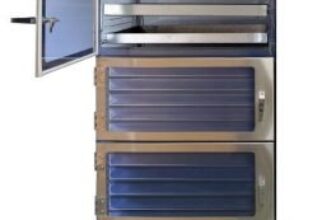
A desiccator cabinet is specifically designed to reduce and maintain low humidity levels inside an enclosed storage space. Unlike ordinary cabinets, it creates a controlled environment where moisture-sensitive items remain protected from humidity fluctuations.
The cabinet achieves this by using desiccant materials, nitrogen purging systems, or other humidity-control technologies depending on the application. Once moisture is removed from the internal chamber, the cabinet continuously maintains a consistent relative humidity level.
This controlled environment helps preserve the integrity of valuable components while minimizing the risks associated with excess moisture.
Why Is Moisture Control So Important?
You may underestimate the impact of humidity until it causes irreversible damage. Moisture can affect a wide range of materials in different industries.
Some common risks include:
- Corrosion of metal components
- Oxidation of electronic assemblies
- Degradation of pharmaceutical compounds
- Damage to optical equipment
- Reduced shelf life of chemicals
- Contamination of laboratory samples
- Warping or deterioration of sensitive materials
Using a controlled storage solution allows you to minimize these risks while improving product reliability.
What Materials Benefit Most from a Desiccator Cabinet?
A desiccator cabinet is suitable for storing numerous moisture-sensitive products across multiple industries.
These include:
- Electronic circuit boards
- Semiconductor components
- Laboratory chemicals
- Pharmaceutical products
- Medical devices
- Precision instruments
- Optical lenses
- Aerospace components
- Research samples
- Additive manufacturing materials
If your work depends on maintaining product integrity, controlled humidity storage becomes a critical investment.
How Does Stable Humidity Improve Product Quality?
Humidity fluctuations often create hidden problems that become noticeable only after storage. Materials repeatedly absorb and release moisture, causing physical and chemical changes over time.
By maintaining stable humidity, you can:
- Improve product consistency
- Reduce material degradation
- Prevent corrosion
- Extend storage life
- Maintain calibration accuracy
- Preserve research integrity
- Reduce manufacturing defects
Consistent environmental control helps eliminate variables that could affect your work.
Why Is a Desiccator Cabinet Better Than Standard Storage?
Traditional cabinets provide physical protection but do little to control environmental conditions. Even climate-controlled rooms cannot always maintain low humidity around individual products.
A desiccator cabinet offers several advantages:
- Continuous moisture protection
- Better humidity consistency
- Reduced contamination risk
- Organized storage
- Long-term material preservation
- Improved workplace efficiency
If your materials are sensitive to moisture, ordinary storage simply cannot provide the same level of protection.
What Features Should You Look For?
Choosing the right cabinet depends on your specific application. Before purchasing, consider features that directly affect performance and usability.
Important factors include:
- Adjustable humidity levels
- Durable construction
- Airtight door seals
- Easy humidity monitoring
- Multiple shelving options
- Static-safe interiors when required
- Nitrogen compatibility
- Easy maintenance
If you are comparing available options, explore Desiccator Cabinet storage solutions for moisture-sensitive materials to identify the best configuration for your workflow.
How Does a Desiccator Cabinet Improve Laboratory Efficiency?
Protecting materials is only part of the benefit. A well-designed storage system also improves daily operations.
When samples remain organized and protected, you spend less time replacing damaged materials, repeating experiments, or troubleshooting unexpected failures.
Improved organization also allows your team to:
- Access materials faster
- Maintain inventory quality
- Reduce waste
- Improve regulatory compliance
- Increase productivity
Reliable storage supports smoother laboratory operations from start to finish.
Which Industries Depend on Moisture-Controlled Storage?
Many industries rely on low-humidity storage every day.
Common applications include:
- Pharmaceutical manufacturing
- Biotechnology laboratories
- Medical device production
- Semiconductor fabrication
- Aerospace manufacturing
- University research laboratories
- Defense facilities
- Electronics assembly
- Quality control laboratories
Each of these environments requires dependable moisture protection to maintain product quality and meet industry standards.
How Can Proper Maintenance Maximize Performance?
Even the best cabinet performs better with routine maintenance.
To maintain consistent humidity:
- Inspect door seals regularly.
- Replace desiccant materials when needed.
- Calibrate humidity monitors.
- Keep shelves clean.
- Avoid leaving doors open unnecessarily.
- Follow manufacturer maintenance recommendations.
- Monitor humidity trends over time.
Simple preventive maintenance helps ensure consistent long-term performance.
Why Should You Choose a Trusted Manufacturer?
The quality of your storage system directly affects the protection of valuable materials. Choosing an experienced manufacturer gives you access to proven engineering, durable construction, and application-specific solutions.
When selecting equipment, consider companies with extensive experience serving laboratories, cleanrooms, pharmaceutical facilities, electronics manufacturers, and research organizations.
You can learn more about advanced controlled-environment laboratory solutions from CleaTech LLC, which offers a wide range of products designed for demanding scientific and industrial environments.
If you need assistance selecting the right humidity-controlled storage system for your application, Contact us today for expert guidance on choosing the ideal desiccator cabinet.
Conclusion
A desiccator cabinet provides far more than convenient storage. It creates a stable, low-humidity environment that protects moisture-sensitive materials from degradation, corrosion, contamination, and performance loss. Whether you work with electronics, pharmaceuticals, laboratory samples, or precision instruments, investing in proper moisture-controlled storage improves reliability, extends product life, and supports consistent results. By choosing the right cabinet and maintaining it properly, you can protect valuable assets while improving operational efficiency.
Frequently Asked Questions
What is the primary purpose of a desiccator cabinet?
A desiccator cabinet maintains low humidity to protect moisture-sensitive materials from damage, corrosion, contamination, and degradation.
Which industries commonly use desiccator cabinets?
Pharmaceuticals, biotechnology, electronics, semiconductor manufacturing, aerospace, medical device production, and research laboratories commonly use them.
Can a desiccator cabinet prevent corrosion?
Yes. By maintaining low humidity, it significantly reduces moisture exposure that causes rust, oxidation, and corrosion.
How often should a desiccator cabinet be maintained?
Maintenance schedules depend on usage, but regular inspections of seals, humidity monitors, and desiccant materials help ensure consistent performance.
Is a desiccator cabinet suitable for long-term storage?
Yes. It provides stable humidity control, making it an excellent solution for preserving sensitive materials during both short-term and long-term storage.