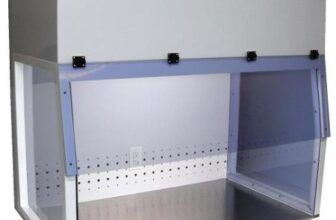
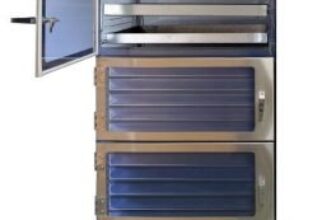
When you work with moisture-sensitive materials, protecting sample integrity becomes a top priority. Even small amounts of humidity can cause chemical changes, contamination, corrosion, and inaccurate test results. Whether you handle pharmaceuticals, electronics, laboratory specimens, or precision components, maintaining a controlled storage environment is essential. This is where a desiccator cabinet becomes a valuable solution.
A desiccator cabinet is specifically designed to create a low-humidity environment that protects sensitive materials from moisture-related damage. By controlling humidity levels, you can extend sample life, improve reliability, and reduce costly material losses. Understanding how these cabinets prevent degradation helps you make better decisions about sample storage and preservation.
Understanding Sample Degradation
Sample degradation occurs when environmental factors alter the physical or chemical properties of stored materials. Moisture is one of the most common causes of degradation because it can trigger unwanted reactions.
You may encounter problems such as:
- Oxidation of metals
- Hydrolysis of chemicals
- Mold and microbial growth
- Reduced effectiveness of pharmaceutical compounds
- Damage to electronic components
- Changes in material weight and composition
These issues can compromise research accuracy, product quality, and manufacturing consistency. Preventing moisture exposure is often the first step toward maintaining sample integrity.
How a Desiccator Cabinet Controls Moisture
The primary function of a desiccator cabinet is to maintain a dry environment. Unlike standard storage cabinets, desiccator cabinets are engineered with airtight seals and humidity-control systems that minimize moisture infiltration.
When you store samples inside a cabinet designed for humidity control, moisture levels remain significantly lower than those found in ambient room air. This stable environment reduces the risk of moisture absorption and subsequent degradation.
Many laboratories and manufacturing facilities rely on a long-term moisture protection desiccator cabinet solution to preserve sensitive materials and ensure consistent performance.
Preventing Chemical Reactions
Many chemicals react when exposed to water vapor. Even trace amounts of humidity can initiate reactions that alter chemical composition and reduce effectiveness.
A desiccator cabinet helps prevent:
- Hydrolysis reactions
- Oxidation processes
- Crystal formation
- Material decomposition
By storing sensitive chemicals in a low-humidity environment, you can maintain purity and ensure accurate experimental results. This is particularly important for analytical laboratories where sample consistency directly impacts data quality.
Protecting Electronic Components
Electronic devices and components are highly vulnerable to moisture damage. Humidity can cause corrosion, oxidation, and electrical failures that affect performance and reliability.
If you manufacture, test, or store electronic assemblies, moisture control is critical. A high-performance desiccator cabinet for electronic component storage helps protect:
- Circuit boards
- Semiconductors
- Sensors
- Connectors
- Precision instruments
Proper storage minimizes defects and reduces the likelihood of costly product failures.
Preserving Pharmaceutical and Medical Materials
Pharmaceutical products often contain ingredients that are sensitive to humidity. Moisture exposure can alter chemical stability, reduce potency, and shorten shelf life.
Using a controlled humidity desiccator cabinet for pharmaceutical storage helps maintain product quality throughout storage and testing processes.
Medical devices, diagnostic materials, and laboratory reagents also benefit from dry storage conditions. By reducing moisture exposure, you help ensure compliance with quality standards and regulatory requirements.
Maintaining Accuracy in Laboratory Testing
Reliable laboratory results depend on sample integrity. Moisture absorption can change sample weight, composition, and behavior, leading to inaccurate measurements.
A desiccator cabinet helps maintain testing accuracy by:
- Preventing environmental contamination
- Preserving sample characteristics
- Reducing measurement variability
- Supporting repeatable results
Researchers frequently store reference standards, analytical samples, and calibration materials in controlled environments to maintain consistency over time.
Reducing Corrosion and Material Damage
Metal parts and precision instruments are particularly susceptible to corrosion when exposed to moisture. Corrosion can weaken materials, affect dimensions, and impair functionality.
A desiccator cabinet minimizes these risks by creating a low-humidity environment that slows corrosion processes. This protection is especially important for:
- Stainless steel components
- Aerospace parts
- Medical instruments
- Precision manufacturing tools
- Optical equipment
Proper storage helps preserve both performance and appearance.
Supporting Long-Term Storage
Many organizations need to preserve samples for months or even years. Long-term storage presents unique challenges because prolonged environmental exposure increases the likelihood of degradation.
A reliable desiccator cabinet for long-term sample preservation provides stable conditions that help maintain sample quality throughout extended storage periods.
When humidity remains controlled, you can reduce the risk of:
- Material deterioration
- Product recalls
- Research inconsistencies
- Inventory losses
This long-term protection improves operational efficiency and lowers replacement costs.
Choosing the Right Desiccator Cabinet
Not all storage requirements are the same. Selecting the appropriate cabinet depends on factors such as sample type, humidity requirements, storage capacity, and operational environment.
When evaluating options, consider:
- Humidity control performance
- Cabinet size and configuration
- Construction materials
- Airtight sealing effectiveness
- Monitoring capabilities
- Maintenance requirements
Working with an experienced manufacturer can help you identify the most suitable solution for your application.
For organizations seeking dependable humidity-controlled storage, advanced desiccator cabinet solutions for moisture-sensitive materials are available from Desiccator Cabinet specialists that understand laboratory and industrial requirements.
Why Partner with a Trusted Manufacturer?
The effectiveness of a desiccator cabinet depends heavily on its design and construction quality. Investing in a reliable system helps ensure consistent humidity control and long-term durability.
CleaTech LLC provides high-quality controlled-environment solutions designed to support laboratories, manufacturing facilities, and research organizations. Their expertise in contamination control and moisture-sensitive storage helps customers protect valuable materials and maintain operational excellence.
If you need assistance selecting the right storage solution for your facility, Contact us today to discuss your specific requirements with experienced professionals.
Conclusion
Moisture is one of the leading causes of sample degradation across laboratory, pharmaceutical, electronics, and industrial environments. By maintaining a controlled low-humidity atmosphere, a desiccator cabinet protects sensitive materials from chemical reactions, corrosion, contamination, and performance loss.
Whether you need short-term protection or long-term preservation, implementing an effective desiccator storage solution helps maintain sample integrity, improve reliability, and reduce costly losses. Investing in proper humidity-controlled storage is a proactive step toward ensuring consistent quality and dependable results.
Frequently Asked Questions
What is a desiccator cabinet used for?
A desiccator cabinet is used to store moisture-sensitive materials in a low-humidity environment to prevent degradation, contamination, and damage caused by moisture exposure.
How does a desiccator cabinet reduce sample degradation?
It controls humidity levels inside the cabinet, minimizing moisture absorption that can lead to chemical reactions, corrosion, microbial growth, and material deterioration.
What materials should be stored in a desiccator cabinet?
Common items include pharmaceuticals, laboratory samples, electronic components, precision instruments, chemicals, optical equipment, and moisture-sensitive manufacturing materials.
Are desiccator cabinets suitable for long-term storage?
Yes. Desiccator cabinets are widely used for long-term preservation because they provide stable humidity conditions that help maintain sample integrity over extended periods.
Why is humidity control important for laboratory samples?
Humidity can alter sample composition, weight, and chemical properties. Controlling moisture helps ensure accurate testing, reliable research results, and consistent product quality.
How do I choose the best desiccator cabinet?
Consider humidity requirements, storage capacity, cabinet construction, monitoring features, sealing performance, and the specific needs of your application when selecting a desiccator cabinet.