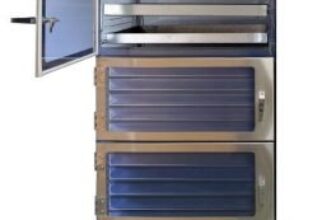
When you work in a laboratory or controlled environment, safety isn’t optional—it’s foundational. You’re constantly handling sensitive materials, sterile samples, or delicate components that demand a clean, contamination-free workspace. That’s where a vertical laminar flow hood becomes essential. By directing filtered air downward in a controlled, uniform stream, it creates a protective barrier that significantly improves both operator and product safety.
Understanding How It Works
A vertical laminar flow hood pulls air through a high-efficiency particulate air (HEPA) filter and pushes it downward in parallel streams. This vertical airflow ensures that contaminants are continuously swept away from your work surface. Unlike turbulent airflow, which can circulate particles unpredictably, laminar flow maintains a steady direction—minimizing the chance of contamination.
As you perform tasks inside the hood, clean air constantly bathes your workspace. This helps protect sensitive samples from airborne particles, dust, and microbes. At the same time, it reduces the risk of cross-contamination between experiments.
Enhancing Product Protection
If you’re handling sterile materials, even the smallest contaminant can compromise results. A vertical laminar flow hood improves safety by maintaining a consistently clean environment. The HEPA filtration system removes up to 99.97% of airborne particles, including bacteria and spores.
This level of filtration is especially valuable in industries like pharmaceuticals, electronics, and biotechnology. When you rely on precision and purity, the controlled airflow ensures your materials remain uncontaminated throughout the process.
To explore high-quality systems designed for these environments, consider high-efficiency clean bench vertical laminar airflow system linked to your Vertical Laminar Flow Hood page.
Reducing Operator Risk
While vertical laminar flow hoods primarily protect the product, they also contribute to operator safety in indirect ways. By controlling airborne particles, they reduce your exposure to contaminants such as dust, allergens, or non-hazardous particulates.
However, it’s important to understand their limitations. These hoods are not designed to handle toxic fumes or biohazards. For those applications, you would need a fume hood or biosafety cabinet. Still, for general lab work involving sterile materials, they create a safer and cleaner workspace for you to operate in.
Preventing Cross-Contamination
Cross-contamination is a major concern in any controlled environment. Even minor exposure to foreign particles can disrupt experiments or damage sensitive components. Vertical airflow plays a key role in preventing this.
Because the air moves downward and exits through the front opening, contaminants generated during your work are immediately pushed away from the critical zone. This directional flow ensures that particles don’t linger or spread across the workspace.
When you follow proper work practices—such as positioning materials correctly and minimizing movement—you further enhance the hood’s effectiveness.
Supporting Consistent Workflow
Safety isn’t just about protection—it’s also about consistency. A vertical laminar flow hood helps you maintain repeatable conditions for every task. Stable airflow and filtration ensure that each operation occurs under the same clean environment.
This consistency reduces errors, improves reliability, and minimizes the need for rework. Whether you’re assembling electronic components or preparing culture media, you can trust that your workspace meets strict cleanliness standards.
Easy Maintenance and Reliability
Another way these systems improve safety is through their straightforward maintenance. Most vertical laminar flow hoods are designed with accessible filters and simple controls. Regular maintenance—such as replacing HEPA filters and cleaning surfaces—ensures optimal performance.
You don’t need complex procedures to keep the system running effectively. With routine checks, you can maintain a high level of safety without disrupting your workflow.
For dependable solutions backed by industry expertise, you can explore trusted cleanroom equipment providers like CleaTech LLC.
Ergonomic and Space-Saving Design
Vertical laminar flow hoods are also designed with usability in mind. The downward airflow allows for better visibility and more ergonomic positioning compared to horizontal systems. You can work comfortably without obstructing the airflow path.
Their compact footprint makes them suitable for laboratories with limited space. By integrating safety and efficiency into a single unit, they help you optimize your workspace without compromising protection.
Best Practices to Maximize Safety
To get the most out of your vertical laminar flow hood, you should follow a few key practices:
- Always allow the hood to run for a few minutes before starting work
- Keep the work surface uncluttered
- Avoid blocking airflow with large objects
- Use proper protective equipment when necessary
- Perform regular cleaning and maintenance
By combining proper usage with the hood’s built-in safety features, you create a highly controlled and reliable working environment.
When to Choose a Vertical Laminar Flow Hood
You should consider this type of hood when your primary goal is product protection rather than personnel protection. It’s ideal for:
- Sterile sample preparation
- Electronics assembly
- Optical component handling
- Non-hazardous laboratory work
If your work involves hazardous substances, you’ll need a different containment solution. Understanding this distinction is key to maintaining safety.
Take the Next Step
Investing in the right equipment directly impacts your safety and productivity. If you’re looking to upgrade your lab environment, now is the time to act. Contact cleanroom experts for vertical laminar flow hood solutions to guide users.
FAQs About Vertical Laminar Flow Hood Safety
How does a vertical laminar flow hood improve safety?
It improves safety by providing a continuous flow of HEPA-filtered air that removes airborne contaminants, protecting your samples and maintaining a clean workspace.
Does a vertical laminar flow hood protect the user?
It offers limited protection by reducing exposure to non-hazardous particles, but it is not designed for toxic fumes or biohazards.
What is the difference between vertical and horizontal laminar flow hoods?
Vertical hoods direct air downward, while horizontal hoods push air toward the user. Vertical designs often provide better ergonomic comfort and reduce direct airflow toward the operator.
How often should you maintain a laminar flow hood?
You should perform routine cleaning regularly and replace HEPA filters based on manufacturer recommendations, typically every 1–3 years.
Can a vertical laminar flow hood prevent cross-contamination?
Yes, the downward airflow helps remove contaminants from the work area, minimizing the risk of cross-contamination when used correctly.