Your home locks are designed to protect your family, belongings, and privacy. But like any mechanical component, locks can wear out, become damaged, or stop working correctly. The important question is: how do you know when a lock needs repair before it becomes a security problem?
Common warning signs include a key that becomes difficult to turn, a deadbolt that sticks, loose hardware, unusual grinding sounds, or a lock that no longer aligns properly with the door frame. Recognizing these symptoms early can help you avoid a sudden lockout or a more expensive replacement.
If you notice any of the following problems, it may be time to contact a professional Locksmith Denver homeowners can rely on.
1. Your Key Is Difficult to Turn
One of the clearest signs of a developing lock problem is a key that suddenly becomes difficult to turn.
You may notice that you have to jiggle the key, apply extra pressure, or try several times before the lock opens. Although the problem could sometimes involve a worn key, it can also indicate internal wear, damaged pins, debris, or a misaligned lock.
Avoid forcing the key. Excessive pressure can bend or break it inside the cylinder, turning a minor repair into a more complicated situation.
A professional Denver Locksmith can inspect the key and lock together to determine whether the issue is caused by the key, cylinder, door alignment, or internal components.
2. The Lock Feels Loose
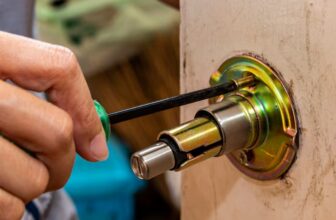
Your lock should remain firmly attached to the door. If the knob, lever, deadbolt, or cylinder moves more than it normally should, don’t ignore it.
Loose hardware can develop because of repeated use, loose screws, shifting door components, or general wear. A loose lock may still function temporarily, but it can become increasingly unreliable.
Check the visible screws and hardware first. If tightening them doesn’t solve the problem, have the lock professionally inspected. A technician can determine whether the hardware needs adjustment, repair, or replacement.
For broader residential assistance, you can review APEX’s residential locksmith services in Denver, which include lock repair, rekeying, and installation.
3. Your Deadbolt Doesn’t Extend Smoothly
A deadbolt should move into and out of the strike plate smoothly when you lock or unlock your door.
If you have to push, pull, lift, or slam the door to make the deadbolt work, the problem may not be the lock itself. The door or frame could have shifted, causing the bolt and strike plate to become misaligned.
This is particularly important because forcing a misaligned deadbolt can place additional stress on the lock mechanism.
Before replacing the entire lock, have the alignment checked. A professional locksmith can determine whether a simple adjustment can restore smooth operation.
4. You Hear Grinding, Scraping, or Clicking
Unusual sounds are another warning that something inside your lock may not be operating properly.
A healthy mechanical lock generally operates with consistent movement. Grinding, scraping, excessive clicking, or unusual resistance can indicate worn internal components, debris, or damage.
Don’t assume that adding lubricant will solve every problem. Some lock mechanisms require specific products, while others may need cleaning, adjustment, or component replacement.
If the sound continues after basic inspection, professional diagnosis is the safer approach.
5. The Key Gets Stuck
A key that becomes stuck in your home lock should never be treated as a normal inconvenience.
It can indicate internal cylinder problems, a damaged key, misalignment, or excessive wear. Pulling aggressively on a stuck key could break it and leave part of the key inside the lock.
Instead, stop forcing it and assess whether the door is under pressure. If the key remains stuck or the lock continues malfunctioning, call a qualified locksmith.
This is especially important if the lock is on your primary entrance because a failing cylinder can eventually prevent you from entering or securing your home.
6. Your Lock Works Only Sometimes
Intermittent problems are easy to dismiss because the lock may appear to work normally most of the time.
However, a lock that works today but fails tomorrow is often giving you an early warning. Internal components can wear gradually, making the lock increasingly unpredictable.
Don’t wait until the lock completely fails while you’re outside your home. If you notice inconsistent operation, have it inspected while the problem is still manageable.
APEX Locksmith Denver provides professional residential lock services throughout Denver and surrounding communities. Its residential service page specifically covers house lockouts, rekeying, lock installation, deadbolts, and related residential lock needs.
7. The Lock Shows Visible Damage
Inspect your locks periodically for cracks, bent components, damaged cylinders, corrosion, or signs of attempted tampering.
Visible damage can compromise both the reliability and security of your door. Even if the key still works, damaged hardware may fail without warning.
After a break-in attempt or significant physical damage, don’t simply assume the lock is safe because the door closes. Have the hardware examined and determine whether repair, rekeying, or replacement is appropriate.
You can also review APEX’s guide to lock replacement and rekeying options to understand when repairing, rekeying, or replacing a lock may make more sense.
8. Your Key No Longer Fits Smoothly
If inserting your key suddenly feels different, pay attention.
A key that sticks halfway, feels unusually tight, or requires repeated attempts may indicate wear inside the lock. It can also mean that the key itself has become worn or damaged.
Using a damaged key repeatedly can increase the chance of breaking it inside the cylinder. Have both the key and lock inspected rather than repeatedly forcing the mechanism.
Repair or Replace Your Home Lock?
Not every faulty lock needs complete replacement. In some cases, a professional can repair the mechanism, adjust the alignment, or rekey the existing hardware.
Replacement may be more appropriate when the lock is severely worn, physically damaged, outdated, or when you want to upgrade your home’s security. Rekeying can be useful when the hardware remains in good condition but you want existing keys to stop working.
The right solution depends on the lock’s condition, age, design, and your security requirements.
When Should You Call a Locksmith?
Call a professional when your lock becomes unreliable, your key repeatedly sticks, your deadbolt won’t align, the hardware is damaged, or you’re concerned that the lock has been compromised.
Avoid forcing a failing lock or attempting complicated repairs without the appropriate tools and experience. A small problem can become a broken key, damaged cylinder, or unexpected lockout.
APEX Locksmith Denver provides residential locksmith services across Denver and the surrounding metro area, including lock repair, rekeying, replacement, and installation. Its Denver service page also lists lock repair, lock replacement, and lock rekeying among its services.
Protect Your Home Before a Lock Fails
Your locks should give you confidence every time you close and secure your door. If you notice a sticky key, loose hardware, unusual noise, or inconsistent locking, don’t wait until the problem turns into a complete lock failure.
Need help with a residential lock problem in Denver? Contact APEX Locksmith Denver for professional assistance with lock repair, replacement, rekeying, and other home security needs. When you’re ready to restore reliable protection to your home, explore trusted residential locksmith solutions in Denver and get the right service for your situation.
FAQs
1. How do I know if my home lock needs repair?
Difficulty turning the key, loose hardware, sticking deadbolts, unusual sounds, visible damage, and inconsistent operation are common warning signs. Have the lock inspected before the problem causes a complete failure or lockout.
2. Can a locksmith repair a damaged home lock?
Often, yes. Depending on the type and extent of damage, a locksmith may adjust, repair, clean, or rekey the lock. Severely worn or damaged hardware may require replacement.
3. Should I replace a lock that is difficult to turn?
Not necessarily. The problem could involve the key, door alignment, or internal components. A professional inspection can determine whether repair, adjustment, rekeying, or replacement is the appropriate solution.
4. Is a loose door lock a security risk?
It can be. Loose hardware may become less reliable and could eventually prevent the lock from operating correctly. Tightening or professionally repairing the hardware can restore proper function.
5. Can I repair my home lock myself?
Simple hardware adjustments may be manageable, but internal lock repairs can be complicated. If the lock is malfunctioning or your home’s security is affected, professional service can help prevent additional damage.