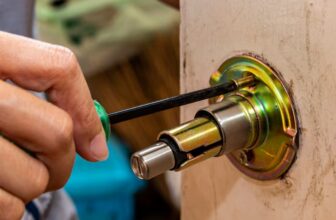
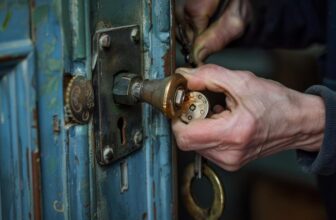
A broken key can instantly disrupt your day. Whether it snaps inside your home’s front door, your vehicle’s ignition, or your office lock, forcing it out yourself can make the problem much worse. Instead of risking permanent damage, you should understand the safest way to deal with a broken key and know when it’s time to call a professional.
If you ever face this frustrating situation, acting quickly and correctly can save you time, money, and unnecessary stress. Here’s what you need to know about broken key extraction and why working with an experienced locksmith is the smartest solution.
Why Keys Break Inside Locks
Keys are designed to withstand daily use, but they aren’t indestructible. Over time, repeated turning, pressure, and exposure to weather gradually weaken the metal.
Common reasons your key may break include:
- Metal fatigue from years of use
- Bent or damaged keys
- Worn-out lock cylinders
- Dirt and debris inside the lock
- Applying excessive force
- Frozen or corroded locks during winter
Even a high-quality key can eventually fail if the lock is no longer functioning smoothly.
Stay Calm and Avoid Making the Situation Worse
Your first reaction may be to pull the broken piece out with whatever tool you have nearby. Unfortunately, this often pushes the key farther into the lock.
Instead, you should:
- Stop using the lock immediately.
- Avoid inserting another key.
- Do not use glue or adhesives.
- Leave the broken fragment exactly where it is.
- Check whether part of the key is still sticking out.
If a portion remains visible, resist the temptation to yank it aggressively. Gentle handling prevents additional damage to the lock’s internal components.
Why DIY Key Extraction Often Fails
Online tutorials make broken key removal seem simple, but every lock is different. Household tools rarely provide the precision needed for safe extraction.
Attempting DIY removal can:
- Damage lock pins
- Scratch the cylinder
- Break the remaining key deeper inside
- Require complete lock replacement
- Increase repair costs
Professional locksmiths use specialized extraction tools designed specifically for removing broken keys without harming the lock whenever possible.
How a Professional Locksmith Extracts a Broken Key
A trained technician follows a careful process that minimizes damage and restores your lock quickly.
Typically, the process includes:
Inspecting the Lock
The locksmith determines how deeply the key is lodged and checks for any internal damage.
Using Specialized Extraction Tools
Thin extraction hooks, key extractors, and precision picks safely remove the broken fragment without forcing the lock.
Testing the Lock
Once the key is removed, the lock is tested to ensure it operates correctly.
Creating a Replacement Key
If needed, a new key can often be cut on-site, allowing you to regain access immediately.
Working with an experienced provider offering reliable Locksmith Denver services helps ensure the job is completed safely and efficiently.
Broken Car Keys Require Extra Care
Vehicle locks and ignitions are more delicate than standard door locks.
Modern cars often include:
- Transponder chips
- Smart keys
- Laser-cut keys
- Push-button start systems
- Electronic immobilizers
Trying to remove a broken key yourself could damage the ignition cylinder, resulting in far more expensive repairs.
Professional automotive locksmiths have equipment specifically designed for these advanced systems.
Signs Your Lock Needs More Than Key Extraction
Sometimes the broken key is only part of the problem.
After extraction, you may discover:
- Difficulty turning the lock
- Loose lock components
- Internal corrosion
- Misaligned doors
- Worn lock cylinders
In these situations, replacing or repairing the lock prevents future lockouts and additional broken keys.
How to Prevent Future Broken Keys
Preventive maintenance greatly reduces the chances of another key breaking unexpectedly.
You can protect your locks by:
Replace Worn Keys
If your key appears bent, cracked, or heavily worn, have a duplicate made before it fails.
Lubricate Locks
Use a lock-safe lubricant periodically to keep internal components moving smoothly.
Avoid Excessive Force
If your key doesn’t turn easily, don’t force it. Something inside the lock may need attention.
Keep Keys Clean
Dirt, moisture, and debris accelerate wear on both keys and locks.
Maintain Duplicate Keys
Rotating between spare keys reduces wear on your primary key.
Small maintenance habits can significantly extend the lifespan of both your keys and locks.
Why Professional Help Saves Money
Hiring a locksmith immediately may seem like an added expense, but delaying professional assistance often leads to more costly repairs.
Professional extraction helps you avoid:
- Complete lock replacement
- Ignition repairs
- Broken extraction tools
- Emergency lockouts
- Security risks
An experienced locksmith resolves the issue efficiently while preserving as much of your existing hardware as possible.
Choosing the Right Denver Locksmith
Not every locksmith offers the same level of experience or emergency response.
When choosing a provider, look for:
- 24/7 emergency availability
- Licensed and insured technicians
- Automotive, residential, and commercial expertise
- Modern extraction equipment
- Transparent pricing
- Positive customer reviews
- Fast local response times
APEX Locksmith Denver has experience handling broken key extractions across a wide variety of lock types, helping customers regain access quickly while minimizing damage.
If you ever experience a broken key emergency, don’t wait until the problem becomes worse. You can reach the team through their convenient online contact page to request prompt assistance.
Final Thoughts
A broken key doesn’t have to become a major disaster. By staying calm, avoiding DIY mistakes, and contacting a qualified locksmith, you can protect your locks and restore access with minimal inconvenience.
Regular key maintenance, proper lock care, and replacing worn keys before they fail can help prevent future emergencies. When unexpected situations occur, having a trusted Denver locksmith ready to help ensures you’re back inside your home, office, or vehicle as quickly and safely as possible.
Frequently Asked Questions
1. Can a locksmith remove a broken key without replacing the lock?
Yes. In many cases, professional extraction tools allow the locksmith to remove the broken key without damaging or replacing the existing lock.
2. How long does broken key extraction usually take?
Most broken key extractions take between 15 and 30 minutes, depending on the lock type and how deeply the key is lodged.
3. Should you use glue to pull out a broken key?
No. Glue can permanently damage the lock mechanism and make professional extraction much more difficult.
4. Can a broken car key damage the ignition?
Yes. Forcing a broken key or attempting DIY removal can damage the ignition cylinder and lead to expensive repairs.
5. What should you do immediately after a key breaks?
Stop using the lock, avoid inserting another key, and contact a professional locksmith for safe extraction.