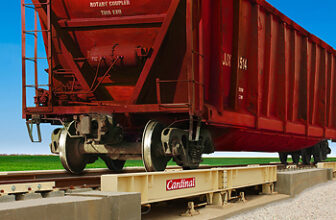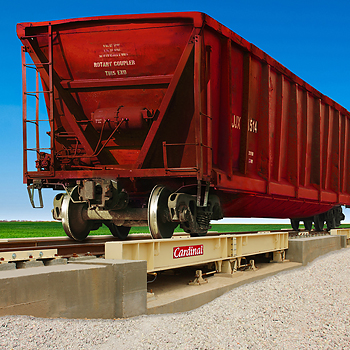
When you handle bulk materials by rail, accurate weight data affects far more than the number displayed on a scale. Your rail scale readings can influence inventory records, freight charges, load planning, production decisions, and customer billing. If your weighing system develops even a small accuracy problem, repeated transactions can turn that error into a significant financial loss. By maintaining accurate Rail Scale Houston TX systems, you can improve material control, reduce discrepancies, and make better operational decisions.
Why Rail Scale Accuracy Matters for Bulk Materials
Bulk commodities are frequently purchased, transferred, stored, and shipped according to weight. Depending on your operation, that may include aggregates, agricultural products, scrap materials, chemicals, minerals, or other raw materials.
If your rail scale consistently reports weights that are too high or too low, the impact can accumulate across hundreds or thousands of railcars. You may record incorrect inventory quantities, settle freight transactions inaccurately, or identify material shortages that do not actually exist.
Accurate weighing gives you a dependable measurement point between incoming material, internal processing, storage, and outbound shipments.
For Houston businesses operating around industrial facilities, rail terminals, plants, and logistics networks, dependable weighing is particularly important because bulk material movement can occur continuously. Industrial Scale & Measurement provides rail scale solutions designed for applications including scrap yards, agricultural operations, and industrial plants.
How Small Weighing Errors Become Large Losses
Imagine your rail scale produces an error of only a few hundred pounds per railcar. That might appear insignificant during one transaction. However, if your facility weighs dozens of cars every week, the cumulative difference can become substantial.
You can experience several consequences:
- Incorrect material inventory
- Billing discrepancies
- Freight settlement problems
- Production planning errors
- Unnecessary material investigations
- Customer disputes
- Increased compliance risk
The problem becomes more difficult when you do not recognize the error immediately. A scale can continue producing seemingly reasonable readings while gradually drifting outside its required performance range.
That is why you should evaluate accuracy based on trends and repeatability rather than relying on a single acceptable-looking weight.
What Can Affect Rail Scale Accuracy?
Several mechanical, environmental, and operational conditions can influence weighing performance.
Load Cells
Load cells convert the applied force from the railcar into an electrical signal that the weighing system interprets as weight. Damage, moisture, corrosion, wiring problems, or component aging can affect their performance.
Because load cells are fundamental to the measurement chain, problems should be investigated rather than simply adjusting the displayed weight.
Track and Foundation Conditions
Your rail scale depends on proper alignment and stable supporting structures. Settlement, structural movement, debris, or mechanical interference can affect how force reaches the weighing components.
A scale that was accurate when installed may not remain equally accurate if surrounding conditions change.
Environmental Conditions
Temperature changes, moisture, dirt, corrosion, and other environmental conditions can affect weighing equipment. Houston operations may face additional challenges from heat, humidity, and heavy rainfall.
Regular inspection helps you identify environmental or mechanical problems before they become persistent measurement issues.
Loading and Operating Practices
How you position and load railcars can also affect repeatability. Uneven loading, improper positioning, or inconsistent operating procedures can make it more difficult to determine whether a difference comes from the material, the railcar, or the weighing system.
Your operators should follow consistent weighing procedures and report unusual readings instead of assuming they are normal.
Calibration Helps Protect Your Weighing Data
Calibration provides a structured way to evaluate whether your weighing equipment is producing measurements within the required performance range. It can also help you identify changes in performance before they create larger operational problems.
Professional calibration services in Houston, TX can support accuracy verification for industrial weighing equipment and other measurement devices. Industrial Scale & Measurement states that its calibration work includes scales and weighing equipment and can be performed on-site to help reduce operational disruption.
You should establish calibration intervals based on equipment usage, operating conditions, manufacturer recommendations, applicable requirements, and your own historical performance data. A high-use rail scale may require closer monitoring than equipment used less frequently.
Use Accuracy Data to Improve Bulk Material Control
Accurate rail weighing becomes more valuable when you connect it with your broader material-management process.
For example, you can compare railcar weights against:
- Purchase quantities
- Production consumption
- Storage inventory
- Shipment records
- Historical weighing data
- Expected material yields
When those measurements agree consistently, you gain greater confidence in your inventory and logistics decisions.
Accurate weighing also supports transportation operations because reliable weight information helps with load management, shipping decisions, and operational efficiency.
Know When Your Rail Scale Needs Attention
You should investigate your rail scale when you notice unexplained changes in readings, repeated discrepancies between expected and measured quantities, inconsistent results, or unusual differences between weighing events.
Do not wait until a customer dispute or inventory shortage exposes the problem.
A practical approach is to maintain service records, document unusual readings, monitor calibration results, and schedule inspections based on operating conditions. If accuracy problems continue after routine adjustments, have qualified technicians evaluate the complete weighing system.
Choose the Right Rail Scale for Your Operation
Your weighing requirements should determine the rail scale configuration you use. Industrial Scale & Measurement offers full-draft and double-draft configurations, with solutions tailored to different applications and site requirements. The company states that some installations can be completed in less than eight hours, depending on the system and application.
Choosing the correct configuration can help you balance installation requirements, available space, weighing needs, and operating efficiency.
If you are evaluating a new system or experiencing inconsistent railcar weights, start by reviewing your application, material flow, railcar types, required capacity, and accuracy requirements.
Keep Bulk Material Weighing Accurate
Your rail scale is more than a weighing device—it is a measurement point that supports purchasing, inventory, production, shipping, and financial decisions. When accuracy declines, the resulting errors can spread throughout your operation.
By combining appropriate equipment, consistent operating procedures, regular inspections, and professional calibration, you can maintain greater confidence in your bulk material weighing data.
If your Houston operation needs a rail weighing solution, accuracy assessment, installation support, or ongoing service, contact Industrial Scale & Measurement to discuss your application and determine the right approach for dependable rail weighing.
Frequently Asked Questions
1. Why is rail scale accuracy important for bulk materials?
Accurate rail weighing helps you maintain reliable inventory records, calculate material quantities correctly, support billing, reduce shipment discrepancies, and make better production and logistics decisions.
2. What can cause a rail scale to become inaccurate?
Load-cell problems, structural movement, track conditions, debris, moisture, corrosion, temperature changes, electrical issues, and inconsistent loading or operating practices can affect rail scale accuracy.
3. How often should you calibrate a rail scale?
Calibration frequency depends on usage, operating conditions, manufacturer recommendations, regulatory requirements, and historical performance. High-use applications may require more frequent verification and monitoring.
4. Can inaccurate rail weighing affect inventory management?
Yes. If your rail scale consistently overstates or understates material weight, inventory records can become inaccurate, potentially affecting purchasing, production planning, material reconciliation, and financial reporting.
5. What should you do if rail scale readings become inconsistent?
Document the unusual readings, check operating and environmental conditions, inspect for obvious mechanical issues, and arrange professional testing or calibration to determine the source of the inconsistency.