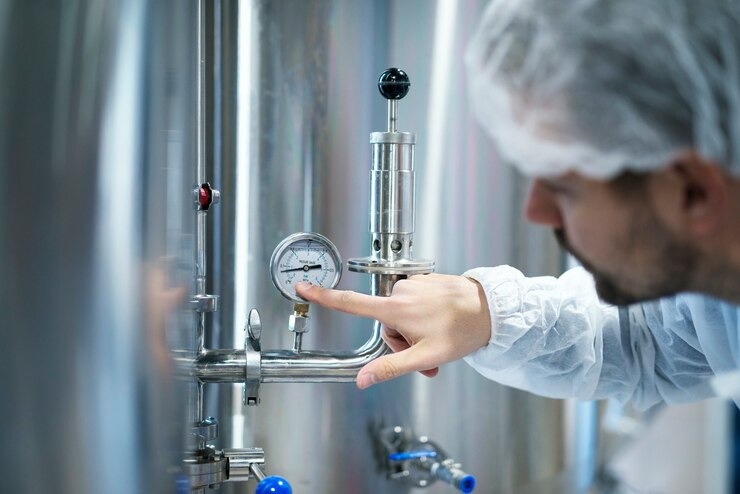
Yes, properly calibrated instruments can help reduce refinery explosion risks by ensuring pressure, temperature, flow, level, and gas-detection systems provide accurate readings. Calibration does not eliminate every hazard, but it helps you detect abnormal operating conditions early and maintain reliable safety controls.
Why Calibration Matters in Refinery Safety
In a refinery, a small measurement error can become a major process-safety problem. Your operators depend on instruments to monitor pressure vessels, pipelines, furnaces, reactors, storage tanks, and other equipment operating under demanding conditions.
When an instrument drifts out of tolerance, your control system may receive incorrect information. A pressure transmitter could report a safe condition when pressure is actually rising. A temperature sensor could underestimate overheating. A flow meter could provide inaccurate readings that affect process control.
That is why professional instrument calibration services for refinery safety are an important part of your preventive maintenance and process-safety strategy. Professional calibration verifies an instrument against a known standard, identifies measurement errors, and documents whether the device meets its required accuracy.
For refineries, this process supports both operational reliability and safety-critical decision-making.
Which Instruments Need Calibration?
Your calibration program should prioritize instruments whose failure or inaccurate readings could contribute to unsafe operating conditions. These typically include pressure, temperature, flow, level, and gas-detection instruments.
Pressure instruments deserve particular attention because excessive pressure can contribute to equipment failure, leaks, and releases of flammable materials. Temperature instruments are equally important around furnaces, reactors, distillation units, and other high-temperature processes.
You should also evaluate:
- Pressure gauges and transmitters
- Temperature sensors and transmitters
- Flow meters
- Level transmitters
- Gas detectors
- Control valves and associated instrumentation
- Differential-pressure instruments
- Weighing and measurement equipment
- Safety-related monitoring devices
Your exact calibration priorities should depend on the process, equipment design, instrument criticality, operating conditions, and applicable safety requirements.
How Calibration Helps You Detect Dangerous Conditions
Calibration improves refinery safety by increasing confidence in the measurements used to control processes. When your instruments remain within defined tolerances, operators and automated systems can respond to process changes using more dependable information.
Consider a vessel operating within a defined pressure range. If its pressure transmitter has significant measurement drift, your control system may not recognize an approaching high-pressure condition soon enough. A properly calibrated transmitter provides a more trustworthy measurement, giving your control strategy a better chance of responding before conditions escalate.
The same principle applies to temperature, flow, and level measurements. Accurate data helps you identify deviations before they become more serious.
Industrial Scale & Measurement can support this approach by providing professional measurement and calibration expertise for organizations that depend on accurate instrumentation.
Calibration Supports Preventive Maintenance
Calibration should not be treated as a one-time repair activity. Your refinery needs a documented calibration program that accounts for instrument history, criticality, manufacturer recommendations, operating environment, and previous calibration results.
A strong program can help you identify instruments that repeatedly drift outside acceptable limits. That information gives your maintenance team an opportunity to investigate the underlying cause rather than simply recalibrating the same device repeatedly.
For example, recurring drift could indicate vibration, temperature exposure, contamination, aging components, installation problems, or harsh process conditions.
You can use calibration records to determine whether an instrument needs more frequent testing, repair, replacement, or engineering review.
What Happens When Instruments Are Not Calibrated?
Uncalibrated instruments can increase uncertainty throughout your process. You may still see a number on the control screen, but you cannot automatically assume that number accurately represents the actual process condition.
This creates several risks:
- Delayed detection: Operators may not recognize abnormal conditions quickly.
- Incorrect control actions: Automated systems may respond to inaccurate measurements.
- Poor troubleshooting: Maintenance teams may investigate the wrong component.
- Product quality problems: Incorrect measurements can affect process consistency.
- Safety-system concerns: Measurement uncertainty can undermine confidence in critical monitoring functions.
You can reduce these risks by establishing clear calibration intervals and verifying that critical instruments are tested according to your documented procedures.
Build Calibration Into Your Process-Safety Strategy
Calibration works best when you integrate it into a broader safety-management system rather than treating it as an isolated maintenance task.
Start by classifying your instruments according to risk. Identify which devices monitor conditions that could lead to fire, explosion, toxic exposure, equipment damage, or uncontrolled process events.
Next, define acceptable tolerances and calibration intervals. Keep complete records showing the instrument identification, test results, standards used, technician information, date, adjustments, and final condition.
You should also review calibration failures. If a critical instrument is found significantly outside tolerance, determine whether previous measurements may have been unreliable and whether additional equipment or process conditions require inspection.
For specialized support, your team can review the capabilities of Scale and Measure’s calibration services to evaluate how professional calibration can fit into your refinery’s measurement-control program.
Calibration Is Important—but It Is Not an Explosion-Proof Guarantee
Calibration alone cannot prevent every refinery explosion. It is one layer within a larger process-safety strategy that should also include equipment integrity, preventive maintenance, leak detection, alarms, emergency shutdown systems, operator training, hazard analysis, safe operating procedures, and appropriate engineering controls.
Think of calibration as protecting the accuracy of the information your other safeguards depend on.
When your instruments provide trustworthy measurements, you improve your ability to recognize deviations, investigate problems, and take appropriate corrective action.
How Often Should You Calibrate Refinery Instruments?
There is no universal calibration interval that works for every refinery instrument. You should establish intervals based on instrument criticality, manufacturer recommendations, historical drift, environmental conditions, process severity, regulatory requirements, and your organization’s risk assessment.
If a critical instrument consistently demonstrates significant drift, shortening its calibration interval may be appropriate. Conversely, reliable historical performance may support a different interval when permitted by your procedures and requirements.
Your calibration schedule should therefore be risk-based and supported by documented evidence rather than simply applying the same interval to every device.
5 FAQs About Refinery Instrument Calibration
1. Can calibration prevent refinery explosions?
Calibration cannot guarantee explosion prevention, but it can reduce measurement-related risk. Accurate instruments help you detect pressure, temperature, flow, level, and gas conditions more reliably so your safety and control systems can respond appropriately.
2. Which refinery instruments require calibration?
Common examples include pressure transmitters, temperature sensors, flow meters, level instruments, gas detectors, and other safety- or process-critical measurement devices. Your risk assessment should determine which instruments require the highest calibration priority.
3. What happens if a critical instrument fails calibration?
You should evaluate the failure immediately, determine whether measurements may have been unreliable, document the result, and follow your established corrective-action procedure. Depending on the device and risk, repair, replacement, recalibration, or process review may be necessary.
4. Does calibration improve refinery compliance?
Accurate calibration records can support your maintenance, quality, and process-safety documentation. However, compliance depends on the specific regulations, standards, procedures, and requirements applicable to your refinery.
5. How do you choose a calibration provider?
Look for a provider with relevant technical expertise, suitable reference standards, documented procedures, qualified personnel, traceable results, and experience working with the types of instruments used in your facility.
Protect Your Refinery With Reliable Measurement
Your safety systems are only as dependable as the measurements feeding them. If pressure, temperature, flow, level, or gas instruments provide inaccurate information, your operators and automated controls may be working with a distorted picture of actual process conditions.
Take a proactive approach by reviewing your critical instruments, identifying calibration gaps, and strengthening your measurement-control program. When you need professional guidance for your facility, connect with Industrial Scale & Measurement through its calibration and measurement support team and take the next step toward more reliable instrumentation and safer refinery operations.