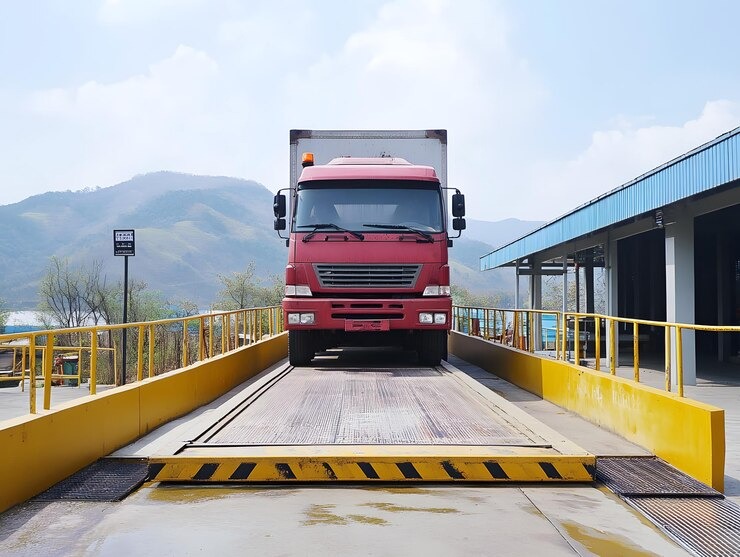
If you rely on weighing trucks for shipping, logistics, agriculture, or industrial operations, calibration is not optional—it is essential for accuracy, compliance, and financial protection. Even a small measurement error can lead to significant losses over time, whether through underbilling, overloading fines, or inconsistent inventory tracking.
To maintain precision and reliability in your weighing systems, you need a trusted service partner like Industrial Scale & Measurement, which provides professional calibration and maintenance support for industrial weighing equipment. When your operations depend on accuracy, understanding calibration frequency becomes a critical part of your quality control strategy.
Truck scales are constantly exposed to heavy loads, weather conditions, vibrations, and mechanical stress. Because of this, their accuracy can drift over time, even if the system appears to be functioning normally. That is why regular calibration is not just recommended—it is necessary.
Why calibration frequency matters for truck scales
Calibration frequency directly affects the reliability of your weight data. When a scale is out of calibration, every load measured carries the same level of error. Over time, this can impact revenue, compliance records, and customer trust.
For example, underestimating weight can lead to lost income, while overestimating can cause disputes and loss of clients. In regulated industries, inaccurate readings may even result in penalties or failed audits. That is why consistent calibration helps you maintain operational integrity and financial stability.
More importantly, calibration ensures your equipment continues to meet legal metrology standards. These standards exist to ensure fairness in trade and safety in transportation. Without routine checks, even high-quality truck scales can gradually drift out of tolerance.
How often should you calibrate truck scales
In most industrial environments, truck scales should typically be calibrated at least once every 6 to 12 months. However, this interval is not fixed. The ideal schedule depends on usage intensity, environmental conditions, and regulatory requirements.
If your scale handles frequent daily loads or operates in harsh outdoor conditions, more frequent calibration—such as quarterly checks—may be necessary. On the other hand, low-usage facilities may maintain accuracy with annual calibration, provided the system is regularly inspected.
The key is consistency. Rather than waiting for visible issues, you should follow a preventive maintenance schedule. This helps you avoid unexpected downtime and ensures your measurements remain within acceptable tolerance ranges throughout the year.
Factors that influence calibration schedules
Several factors determine how often your truck scales require calibration. One of the most important is load frequency. A scale used dozens of times daily will experience faster wear and drift compared to one used occasionally.
Environmental conditions also play a major role. Exposure to moisture, extreme heat, dust, or chemical substances can affect load cells and mechanical components. Even small changes in temperature can impact measurement accuracy if the system is not properly maintained.
Another factor is mechanical impact. If heavy vehicles frequently hit the scale platform at high speed, it can gradually affect alignment and sensitivity. Additionally, any repair or replacement of scale components should always be followed by recalibration to ensure accuracy is restored.
Industry standards and compliance requirements
Different industries have different compliance requirements when it comes to calibration. In regulated sectors such as logistics, mining, and manufacturing, maintaining documented calibration records is often mandatory.
Working with a professional service provider like Industrial Scale & Measurement ensures your equipment meets industry standards and audit requirements. Certified calibration also helps you maintain traceable records, which are important during inspections and quality audits.
Compliance is not just about avoiding penalties. It also builds trust with clients and partners who depend on your measurements. When your calibration records are accurate and up to date, you demonstrate operational transparency and reliability.
Signs your truck scale needs calibration sooner
Even if you follow a regular schedule, certain warning signs indicate that your scale may need immediate calibration. One of the most common signs is inconsistent readings for identical loads. If the same vehicle shows different weights in short intervals, the system may be drifting.
Another sign is physical damage or wear on the platform, load cells, or wiring. Environmental exposure can also cause corrosion or sensor issues that affect accuracy.
If you operate Truck Scales Houston TX or similar heavy-duty weighing systems, you should also watch for frequent overload warnings or sudden fluctuations in readings. These are strong indicators that recalibration or inspection is required.
Ignoring these signs can lead to larger operational issues, including compliance risks and financial discrepancies. Acting early helps you prevent long-term damage and maintain smooth operations.
Best practices to extend calibration accuracy
While calibration is essential, you can also take steps to extend the accuracy of your truck scales between calibration cycles. Regular cleaning of the platform helps prevent debris buildup that can affect readings. Keeping drainage systems clear also protects load cells from water damage.
Routine inspections are equally important. Checking for visible wear, loose components, or uneven platform settling can help you identify problems early. You should also ensure that drivers use the scale correctly, avoiding sudden stops or impacts on the platform.
Training your staff on proper usage and maintenance procedures can significantly improve long-term accuracy. Small operational improvements often reduce the frequency of calibration adjustments needed.
Why professional calibration services matter
While basic inspections can be done in-house, professional calibration ensures a higher level of precision and compliance. Experts use certified weights and advanced tools to verify accuracy across the full load range of your scale.
Professional technicians also identify hidden issues that may not be visible during routine checks. This includes load cell imbalance, wiring faults, or structural misalignment. Addressing these issues early helps prevent costly breakdowns.
Choosing a reliable service provider ensures your equipment stays in peak condition throughout the year. If you want expert assistance or a scheduled service plan, you can Contact Us to get professional calibration support tailored to your operation.
Final thoughts
Truck scale calibration is not a one-time task—it is an ongoing requirement for accuracy, compliance, and operational efficiency. Whether you operate in logistics, manufacturing, or transportation, maintaining a consistent calibration schedule protects your business from financial loss and regulatory issues.
By understanding how usage, environment, and industry standards affect calibration frequency, you can create a maintenance plan that ensures long-term reliability. With the right support and proactive approach, your weighing systems will continue delivering accurate results every time.
FAQs
- How often should truck scales be calibrated?
Truck scales should typically be calibrated every 6 to 12 months. High-usage or harsh environments may require more frequent calibration to maintain accuracy and compliance.
- What happens if a truck scale is not calibrated regularly?
Inaccurate readings can lead to financial losses, compliance issues, and disputes. Over time, small errors can significantly affect operational efficiency and reporting accuracy.
- Can weather affect truck scale accuracy?
Yes, extreme heat, cold, moisture, and dust can impact load cells and electronics, causing drift in measurements and increasing the need for calibration.
- What are the signs of an uncalibrated truck scale?
Common signs include inconsistent weight readings, frequent overload alerts, and visible mechanical damage or irregular platform behavior during weighing.
- Is professional calibration necessary for truck scales?
Yes, professional calibration ensures certified accuracy, regulatory compliance, and detection of hidden issues that routine checks may not identify.